Epic Seven
- 4.2
- Rating
- 10.00M
- Installs
- Free
- Price

 Analysis by App-foxy
Epic Seven is the kind of role-playing game I open when I want a dramatic anime presentation but still expect meaningful decisions behind the spectacle. After spending time with it, my impression is that its strongest appeal comes from the combination of animated storytelling, character-focused progression, and battles that reward planning rather than constant tapping. It is free to start, but the way you approach its optional spending matters, especially if you are interested in long-term competition.
Smilegate, Inc. has built a game with a very recognizable identity. The art direction is not simply decorative: characters, attacks, menus, and story scenes are designed around a polished animated style that gives ordinary battles a sense of occasion. That presentation helped the game reach over ten million installs and an average score of 4.2 from roughly 515 thousand ratings, so it clearly has a large audience beyond the usual niche of turn-based mobile RPG fans.
I would not describe it as a casual game you finish in a weekend. It is better understood as a long-term hobby, with a steady stream of character decisions, equipment choices, resource management, and story progress. That can be satisfying if you like building a roster over time. It can also feel demanding if you want a quick, low-commitment game that gives you everything immediately.
You May Also Like

 Blood Strike: 2.5 Anniversary
Blood Strike’s Loadouts Turn Every Drop Into a Tactical Gamble
A close look at Blood Strike’s custom loadouts: how fast access to signature weapons reshapes its battle royale rhythm, rewards preparation, and narrows the gap between fights.

 Pandora - Music & Podcasts
Pandora’s Music Is Easy to Start, but Harder to Recover
Pandora’s strength is its low-effort path from a seed to a station. Its weak spot is how much confidence it asks you to place in connection, setup, and quiet recovery.

 8 Ball Pool
 Is Built on Rivalries, Rematches, and Routine
A close look at the rivalries, rematches, shared routines, and unanswered safety questions that turn a quick pool match into a persistent mobile community.

 Samsung Music
’s Quiet Strength Is Playing What You Already Own
Its reach comes less from spectacle than from dependable access to a personal library. That simplicity is both the app’s strongest retention engine and its ceiling.

 AccuWeather: Weather Radar
AccuWeather Review: A Quick, Clear Forecast for Everyday Decisions
For everyday plans, the best forecast is the one you can understand quickly. AccuWeather makes rain timing, radar, and local conditions easy to act on, with a few trade-offs.

 Hill Climb Racing
Why Hill Climb Racing Still Turns Crashes Into One More Run
A tiny car, a bumpy hill and one more upgrade: Hill Climb Racing keeps resurfacing because its simple chaos makes every near-miss feel personal.
More From Our News Desk



How the game feels once the opening excitement settles
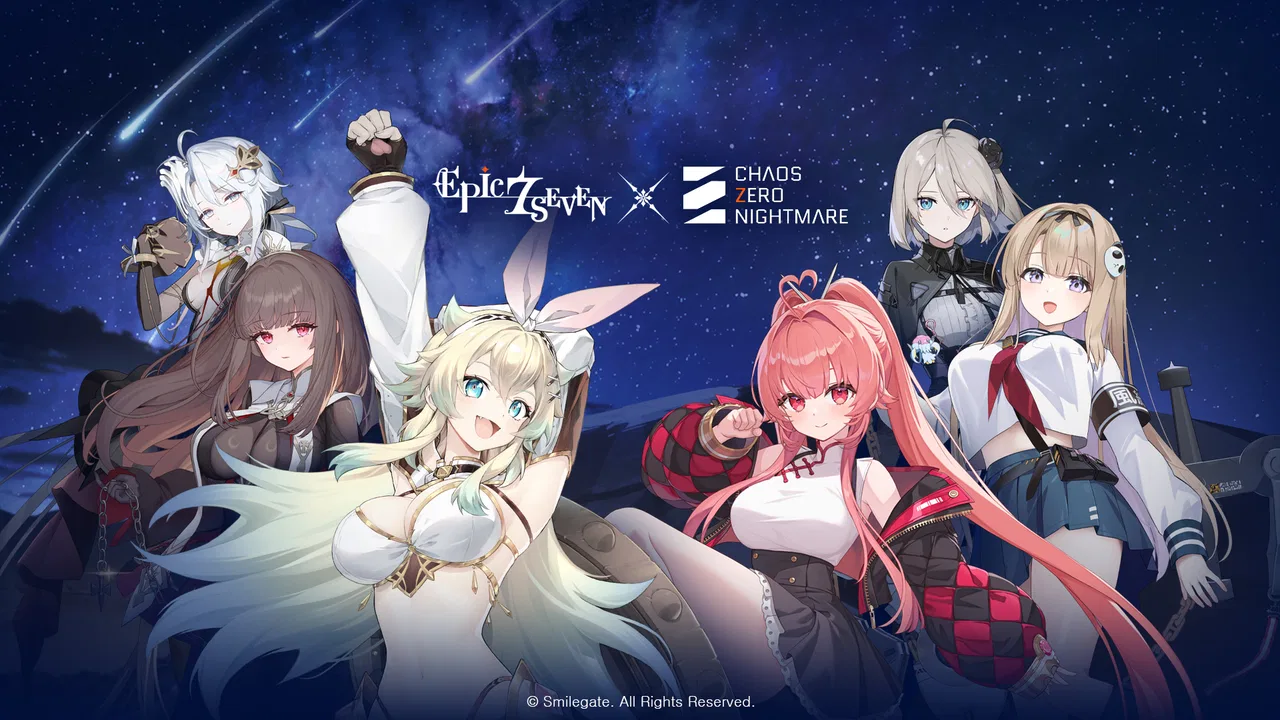
The first thing I noticed was how much attention the presentation receives. Battles use animated skills and clear visual feedback, while the story gives the characters enough personality to make the campaign feel like more than a sequence of disconnected fights. The anime influence is obvious, but the game does not rely on that style alone. Its appeal comes from making the characters feel like the center of the entire experience.
The combat is turn-based, so I have time to consider what I am doing instead of reacting to a timer every second. That does not make every encounter simple. Choosing when to use a powerful skill, which enemy to remove first, and how to preserve a character's useful ability for the next turn can change the outcome. In harder content, winning is less about selecting the most attractive animation and more about understanding what each member of the team contributes.
One useful habit is to stop treating every character as a replacement for the previous one. A new hero may look stronger at first glance, but the real question is whether that character solves a problem in your current team. I found that thinking in terms of roles made progression less wasteful. A character who improves survival, control, or turn order can be more valuable to my account than another damage dealer who merely produces larger numbers.
The game also benefits from being played in short sessions, provided I already know what I want to accomplish. I can use a few minutes to collect rewards, improve equipment, or handle a small group of battles. At the same time, story chapters and difficult progression can invite longer sessions, particularly when I am testing a team rather than simply repeating an easy stage.
That flexibility is useful in everyday life. If I have a train journey or a quiet break, I can work on a small upgrade or finish a few fights. On an evening when I have more time, I can read story scenes and experiment with a different lineup. The important distinction is that the game is easy to open briefly but not always easy to put down once I start chasing a specific upgrade or trying to clear a stubborn encounter.
Progression rewards planning, not just collecting
The most interesting part of progression is the relationship between characters and equipment. A strong roster is not automatically a functional roster. Speed, durability, damage, and utility have to support one another, and a character that performs well in one situation may feel awkward in another. I recommend deciding what a hero is supposed to do before spending valuable resources on upgrades.
This is one of the less obvious lessons for new players: improving everything a little can leave you with many underpowered characters. I had better results when I concentrated on a small working group, then expanded once that group could handle the content I was targeting. This approach also makes mistakes easier to recover from because resources are not scattered across every attractive character in the collection.
Equipment is another source of both depth and frustration. The right item can transform a character, but upgrading gear that has poor long-term potential can consume resources without giving a satisfying return. I learned to pause before investing heavily in a piece simply because its initial numbers looked promising. A modest item that supports a clear build is often more useful than a flashy one that does not fit the character's role.
For a new account, I would keep a simple personal record of which heroes are being developed, what each one needs, and which activity supplies the relevant materials. That small amount of organization prevents the common mistake of spending everything as soon as it appears. It also makes the game easier to understand because each battle has a purpose instead of becoming an endless series of disconnected upgrades.
The game is rated Teen, which fits its dramatic fantasy tone and animated combat. I would still recommend that parents look at the spending environment before allowing a younger player to use a payment method. The game itself is free, but optional purchases range from $0.99 to $99.99 per item. That broad range is important context: a player can begin without paying, while another player can encounter very high-priced purchase options.
What spending changes, and what it does not answer
My view of the purchase model is cautious rather than automatically negative. The confirmed price structure tells me that spending is part of the experience, but it does not by itself prove how much money a player needs to spend to enjoy the story or how quickly a paying player reaches a particular goal. I would not pretend to know those outcomes without direct, current evidence.
For someone trying the game for the first time, I would play for a while before buying anything. That gives you a chance to decide whether you genuinely enjoy the combat and progression loop, rather than paying because an early reward creates excitement. If you do spend, setting a personal limit before opening the purchase screen is more sensible than making decisions during a frustrating battle or an exciting character moment.
There is also a practical difference between spending to support a game and spending to remove friction. The first can feel like a deliberate choice. The second can become a habit if progression starts to feel like a problem that money should solve. I found that the game is more rewarding when I treat purchases as optional additions to a hobby, not as an obligation attached to normal play.
Players should also remember that the listed range is per item, not a promise of a fixed monthly cost or a complete picture of total spending. The game is free to download, but “free” does not mean every route through the game has the same convenience. That is why I would recommend it more confidently to patient players than to anyone looking for a completely pressure-free experience.
Fairness matters most when competition enters the picture
The question of fairness becomes more complicated when a role-playing game includes competitive goals. In a single-player story, taking longer to build a team may only affect your own schedule. In competitive play, the gap between a carefully developed account and a heavily funded account can feel more significant. Epic Seven is therefore best approached with realistic expectations: I would enjoy its battles and collection first, while treating rankings and high-level competition as an optional challenge rather than a guaranteed equal contest.
I cannot responsibly label the competitive environment fully fair or unfair from the purchase range alone. The available facts establish that optional items can cost from $0.99 to $99.99, but they do not establish the exact effect of each purchase on competitive performance. That distinction matters. A responsible review should separate what is known from what would merely be speculation.
My practical advice is to choose a personal definition of success. Clearing story content, improving a favorite team, and learning difficult encounters are goals that do not require comparing every result with a spender. If your main reason for installing is to reach the top of a competitive ladder as quickly as possible, you should be prepared for a more demanding experience and should investigate the current competitive environment before committing money.
There is a useful middle ground for players who enjoy competition without wanting it to dominate the game. Build a reliable core team, learn why each loss happened, and avoid changing your entire plan whenever a new character appears. That approach protects both your resources and your enjoyment. It also reveals whether you actually like the strategy, rather than simply chasing the feeling of having the newest option.
Compared with simpler mobile RPGs, this game asks more from the player. A lightweight alternative may let you collect characters and auto-resolve most encounters with little thought. That can be better if your priority is relaxation. Epic Seven is a stronger choice when you want character building and turn-based decisions to remain important after the opening chapters.
It also differs from console-style role-playing games in a meaningful way. A traditional boxed or downloadable RPG usually gives you a more self-contained progression path, while this free mobile format is built around continued engagement and optional purchases. If you prefer a complete adventure with a clear endpoint and no purchase decisions, a premium RPG may suit you better. If you enjoy returning to the same world and gradually refining a roster, this structure has more to offer.
Small habits that make the experience less tiring
My first concrete recommendation is to separate “interesting” from “immediately useful.” A character can be appealing because of design or story presence, but that does not mean the character belongs in your next upgrade project. Keep a short list of current needs, such as a more dependable front line or better control, and judge new additions against that list.
Second, use difficult battles as diagnostic tests. When a team fails, do not simply repeat the stage and hope for a different result. Ask whether the problem was insufficient durability, poor target selection, slow turn progression, or a skill used at the wrong moment. This turns defeat into information and helps prevent random spending on upgrades that do not address the real weakness.
Third, protect your best resources from impulse decisions. The animated presentation makes new characters and rewards feel exciting, and that is part of the game's charm. I found it easier to stay comfortable when I waited until I understood how a new option fit my roster. A short pause can prevent a long period of regret, especially when building a character requires several connected investments.
Fourth, decide whether you are playing for story, collection, strategy, or competition. The game can support all four interests, but they do not demand the same priorities. A story-focused player can value steady progress and favorite characters. A strategist may enjoy testing team combinations. A collector may be more affected by the purchase environment. A competitive player needs the most patience and the clearest spending boundary.
Device expectations and long-term commitment
The current version is 1.0.933, and the listed minimum operating system is Android 8.0. That makes the basic compatibility requirement clear for Android users, although compatibility alone does not tell you how smoothly the game will run on every device. Because the presentation emphasizes animation, I would leave enough storage and avoid judging the experience from a very old or heavily loaded phone.
The game is also a substantial commitment in attention. Its large audience can be reassuring because you are joining an established community, but popularity does not remove the need to learn the systems. New players should expect a period of adjustment while they understand character roles, equipment decisions, and resource priorities. If you dislike reading tooltips or comparing options, the depth may feel like work rather than entertainment.
On the other hand, that learning curve is exactly why the game can remain interesting after the novelty of the art fades. I enjoy games where a defeat encourages me to rethink the team instead of simply asking me to tap faster. Epic Seven gives that kind of problem-solving room, even though the amount of progression management can become tiring when I want a completely effortless session.
Who should install it, and who should pass
I would recommend it to players who like anime-inspired fantasy, turn-based battles, and long-term account development. It is especially suitable for someone who enjoys improving a team gradually and does not need every reward immediately. The animated presentation is a genuine reason to try it, but the deeper reason to stay is the way team construction gives battles more meaning.
I would be more hesitant to recommend it to a player who wants a short, self-contained adventure. It is also not my first choice for someone who becomes uncomfortable around optional purchases, particularly when individual items can reach $99.99. Even if you never spend, the presence of that purchase range may affect how relaxed the game feels.
Competitive-focused players should approach with the most care. The game may provide an enjoyable strategic challenge, but the available purchase information is not enough to guarantee an equal path for every player. Install it for the combat and story first, then decide whether the competitive side deserves your time or money after you understand the current experience for yourself.
My overall verdict is positive but measured. Epic Seven succeeds because its anime presentation supports a real role-playing structure instead of replacing it. I like having to think about roles, timing, equipment, and long-term priorities, and I appreciate that a short daily session can still move an account forward. The main friction comes from the amount of management and the need to stay disciplined around optional spending.
For me, the trust question comes down to transparency in my own decision-making. The game is free to start, carries a Teen rating, and offers optional purchases from $0.99 to $99.99 per item. Those facts make it worth trying, but they also make a spending boundary essential. My recommendation is to play patiently, invest only when you understand the value to your own roster, and treat competition as a choice rather than a financial obligation.
FAQs for Epic Seven
01What is the main objective of Epic Seven?
Epic Seven is a turn-based RPG where players collect heroes and engage in strategic battles. The main objective is to build a team of characters, each with unique skills, to progress through the storyline, complete quests, and participate in PvP battles. Players aim to enhance their heroes' abilities and gear to tackle increasingly difficult challenges.
02Is Epic Seven free to play, and are there in-app purchases?
Epic Seven is free to download and play. However, it includes in-app purchases that offer players the option to buy in-game currency, items, and enhancements. These purchases can accelerate progress but are not necessary to enjoy the core game experience. Players can succeed through strategic gameplay and time investment.
03What platforms is Epic Seven available on?
Epic Seven is available on both Android and iOS platforms. Players can download it from the Google Play Store for Android devices and the Apple App Store for iOS devices. The game requires a stable internet connection to play and receive updates, ensuring a seamless gaming experience across devices.
04How does the hero summoning system work in Epic Seven?
The hero summoning system in Epic Seven allows players to recruit new characters using in-game currency or summoning tickets. Summons can yield heroes of varying rarities, with higher rarity characters being more powerful. Players can also earn or purchase resources to perform summons, adding a layer of excitement and strategy to team building.
05Are there social or multiplayer features in Epic Seven?
Yes, Epic Seven includes social and multiplayer features. Players can join guilds, participate in guild wars, and engage in real-time PvP battles. These features encourage community interaction and provide opportunities to cooperate with others for rewards. Being part of a guild can enhance the gaming experience through shared resources and strategies.
Pros
- Stunning graphics with detailed animations.
- Engaging turn-based combat system.
- Diverse character roster for varied strategies.
- Regular updates with new content.
- Strong community support and events.
Cons
- Energy system limits playtime.
- High learning curve for beginners.
- Gacha mechanics can be costly.
- Requires consistent internet connection.
- In-app purchases can be pricey.

Epic Seven
Gallery